Preparing to welcome a new baby into the world, while exciting, can also feel overwhelming. In addition to preparing for the birth, it’s important to plan for the postpartum period to ensure that you have the care you need from professionals that you can trust. While a postpartum doula is incredibly valuable, doulas are just one piece of the larger puzzle of postpartum support. Doulas can help with many postpartum challenges like lactation/feeding, emotional processing, and physical recovery, but it is also wise to seek the support of practitioners who specialize in these areas and do so before your baby arrives. The good news is - your doula can help refer you to these kinds of providers, and we have some recommendations ourselves!
In this guide, we’ll walk you through how to build your postpartum dream team, so you feel held, resourced, and supported in your new role as a parent.
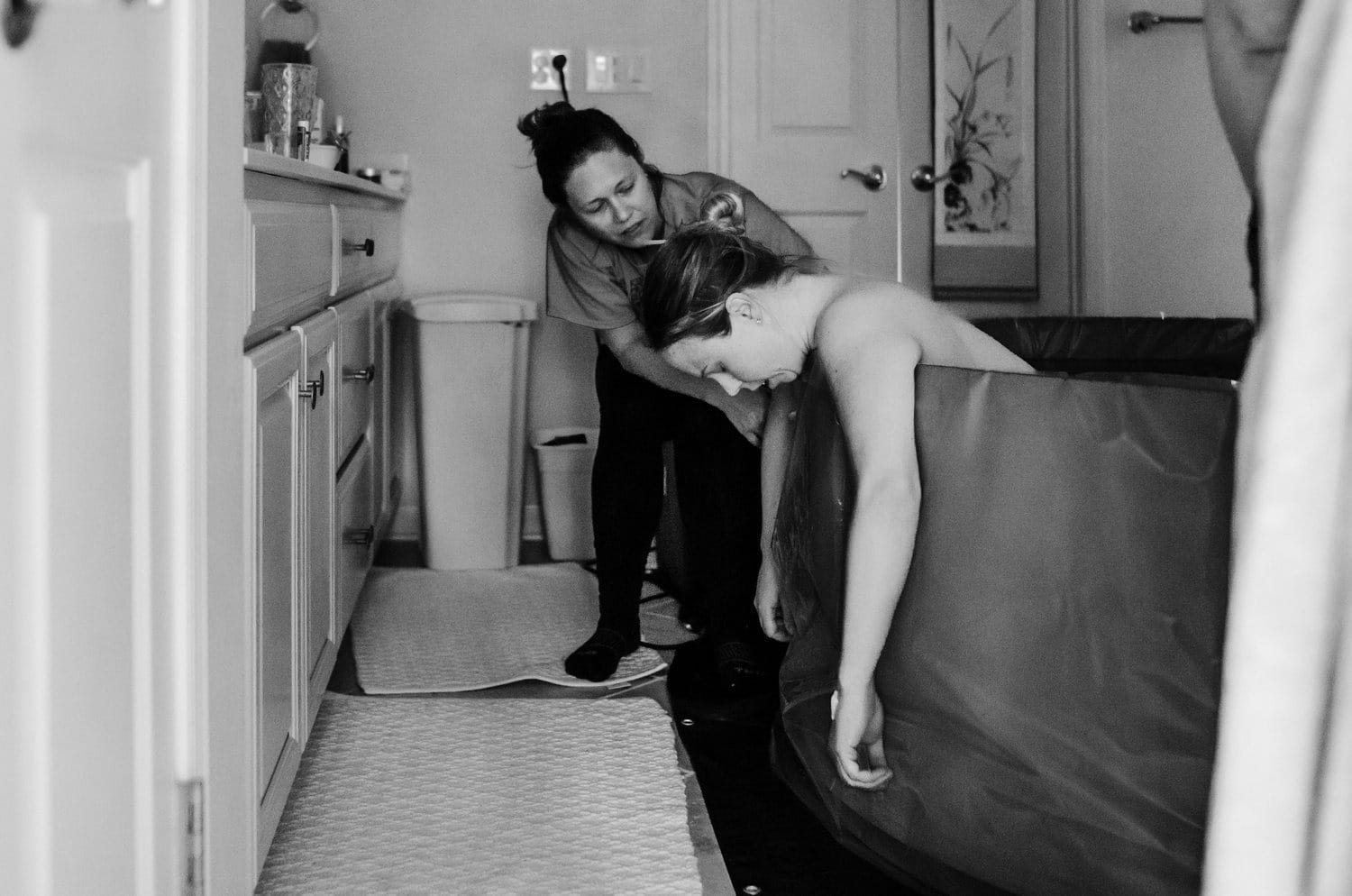
A postpartum doula offers in-home support after birth, helping with everything from infant care and feeding to emotional well-being and light household tasks. They provide hands-on guidance and calm reassurance during those tender early weeks and months.
Postpartum doulas over support both during the daytime and overnight. Daytime postpartum doulas typically focus on newborn care, lactation and feeding, physical recovery from birth, and parental education. Overnight postpartum doulas offer the same as well as a greater emphasis on sleep for both the parents and baby and establishing a sustainable nighttime routine longterm.
Most postpartum doulas work a maximum of 3-4 days/nights per week. But here’s something families often don’t consider: you can hire more than one doula! Doulas often love working in partnership with one another. The partnership model allows the doula more rest in between sessions which allows for higher quality care. It is very normal for a family to work with a team of doulas, especially if they are looking for 5-7 days/nights per week of support.
At Baby Caravan, we help families find certified doulas who complement each other’s strengths and availability, because building a team isn’t just practical, it’s powerful.
Whether you’re breast/bodyfeeding, combo feeding, pumping, or formula feeding, having professional feeding support can make a world of difference. Lactation consultants help you troubleshoot challenges like latching pain, low milk supply, overproduction, bottle refusal, and more. Even if everything is going smoothly, a check-in can build confidence and ensure you’re on the right track. It’s a good idea to get in touch with a lactation consultant during your pregnancy so that if/when any challenges arise, you already have a plan in place with a professional who you can trust.
Thanks to the Affordable Care Act, many plans cover lactation support, but the type of consultant and setting may affect your reimbursement. Always check with your insurance provider ahead of time.
And remember: some postpartum doulas are also certified in lactation support, giving you a built-in resource during your regular shifts.
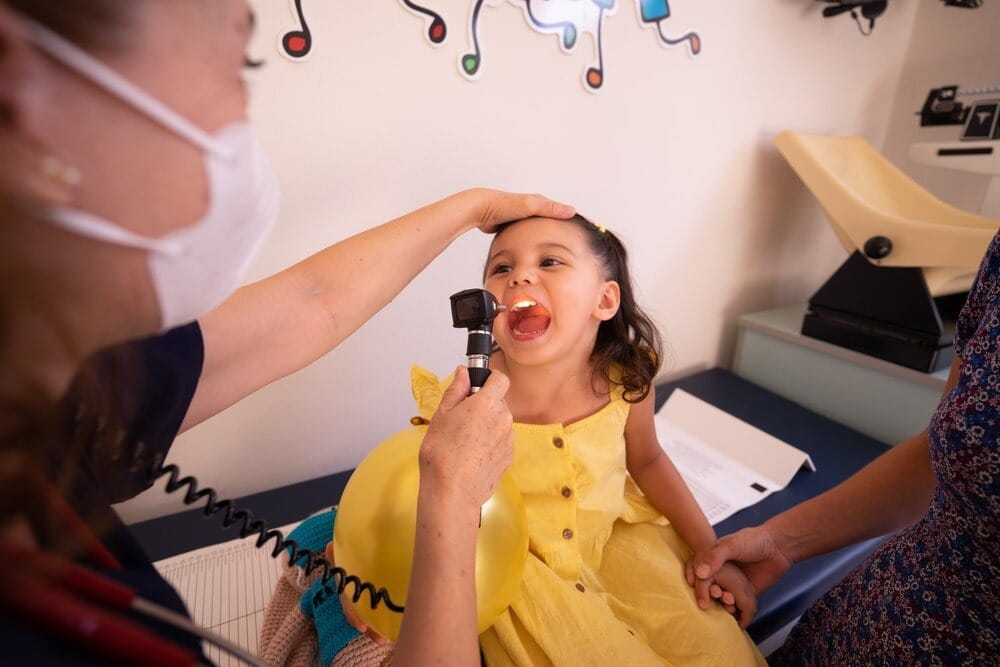
Choosing a pediatrician is one of the most important decisions you’ll make. This provider will not only monitor your baby’s physical development but also be a resource for sleep and parental questions. Establishing a relationship early, often during pregnancy, can help you feel prepared and informed.
We recommend interviewing a few pediatricians during pregnancy to make sure you’ve found the right fit for you and your baby. Each practice will differ slightly in their approach to care, and it’s important that your parenting philosophy aligns with that of your pediatrician. If you are working with a doula, they can likely suggest a few options to speak with based on your preferences and priorities.
Something to keep in mind when choosing a pediatrician is that pediatricians typically have limited training around lactation and infant feeding. Some pediatricians may choose to pursue optional continuing education around lactation and body/breastfeeding, however this training is not standard to the profession. Some pediatrics offices employ IBCLCs to help troubleshoot feeding issues and others may have a list of in-network IBCLCs to refer out to. If body/breastfeeding is a top priority for you, make sure when interviewing pediatricians to ask about their philosophy around lactation and infant feeding and if they work with or refer out to IBCLCs for these kinds of issues.
Lastly, if you find that once your baby is born, you don’t love your pediatrician, it is okay to switch providers. It’s incredibly important that you trust your child’s care providers, so if you feel anything other than relief after your pediatrician visit, you may want to consider switching practices.
Birth is an intense physical event, no matter how your baby arrives. Prioritizing physical recovery can reduce pain, support long-term pelvic health, and even prevent complications down the line.
Pelvic PTs are specialists trained to help with postpartum issues like:
This care is often underutilized in the U.S., but it’s standard practice in many other countries. You don’t need to wait until something feels “wrong” to schedule a visit, and an assessment alone can be incredibly valuable. Working with a pelvic PT during pregnancy can also help to prevent some of these issues during postpartum. Plus, if any problems do arise, you will already have a working relationship with someone who can help!
Integrative care providers like postnatal chiropractors, massage therapists, and acupuncturists can ease discomfort, improve mobility, and support healing. Many specialize in postpartum clients and offer home visits or baby-friendly spaces. Many of these providers also work with folks during pregnancy so you can start getting the benefit of their care before baby arrives.
The emotional ups and downs of postpartum are normal, but that doesn’t mean you have to white-knuckle your way through them. Up to 1 in 5 birthing parents experience a Perinatal Mood and Anxiety Disorder (PMAD), including postpartum depression, anxiety, OCD, and PTSD. These disorders can happen to anyone, even those with outstanding mental health pre-baby, although folks with pre-pregnancy diagnoses are at an elevated risk. Based on your unique health history, you may opt to work with a PMAD specialist during pregnancy to create a postpartum mental health plan to set yourself up for success if you are concerned about developing a PMAD.
If you’re feeling overwhelmed, your postpartum doula can be your first line of support and help you connect with trusted providers. Early intervention leads to better outcomes, and you deserve to feel well.
Parenting wasn’t meant to be done in isolation. In traditional cultures, the postpartum period involved a whole village of aunties, elders, neighbors, and friends offering support. While our modern lives may look different, community is still essential. It’s the secret sauce to not just surviving parenthood, but actually thriving in it.
These offer companionship, shared wisdom, and a safe place to ask questions. There are many different types of parent support groups for all different types of parents, so seek out ones that you believe you will feel comfortable and held in.
Whether it’s yoga, art, exercise, or something else, look for baby-friendly classes in your area. This is a great way to connect with fellow parents with shared interests who are also navigating postpartum and new parenthood, just like you!
Especially helpful for those navigating PMADs or identity shifts. At Baby Caravan, we have a number of incredible postpartum doulas who host regular postpartum support groups on a rolling basis based on your due date.
Building your postpartum dream team isn’t about luxury, it’s about planning for resiliency, healing, and connection. Thinking about the landscape of support that you can lean on while postpartum is one of the most important parts of preparing for new parenthood. Doulas, lactation consultants, pediatricians, bodyworkers, and mental health professionals are there to ensure that you are practically, physically, and emotionally supported. Postpartum support groups and classes serve as great community-building tools so you can find your village early in your parenting journey.
If you’re preparing for life after birth or you’ve recently welcomed a new baby into your family, Baby Caravan can help you find birth and postpartum doulas who are there to help you build your postpartum dream team. Our team of vetted doulas can help you identify what kind of support you need and connect you to trusted providers in your area. If you’re ready to start speaking with doulas, reach out to us and we’ll help you find the doula of your dreams!




Tell us a little about your family and we'll take it from there. Most families are matched within a week. Let’s get this off your to-do list!
Not sure yet? Book a 20-minute call with our Family Coordinator





.png)